Primary sources: Stats SA GPSJS 2024/25 ·
SAPS Crime Statistics ·
CrimeStatsSA ·
CrimeHub SA ·
SafeSuburb
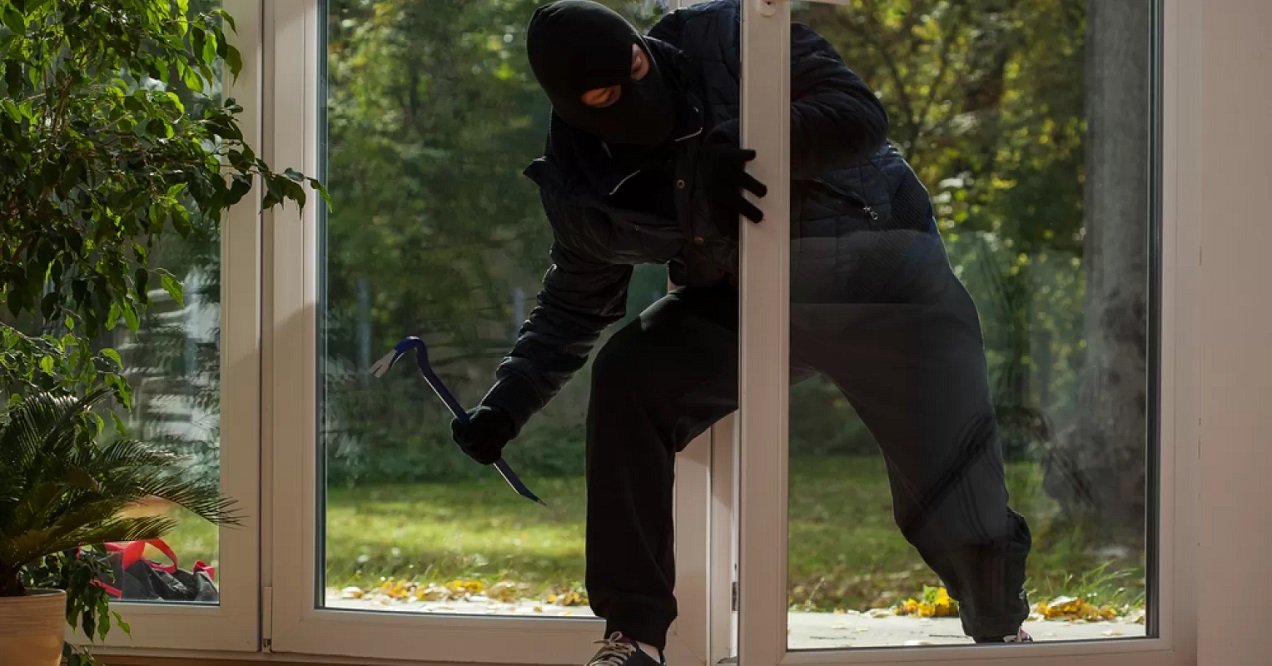
South Africa’s most common household crime is not robbery. It is not car theft. According to Statistics South Africa’s Governance, Public Safety and Justice Survey (GPSJS) 2024/25, the most frequently experienced crime affecting South African households is, consistently, housebreaking — and it has been for over a decade.
In the 2024/25 survey year, an estimated 1.5 million housebreaking incidents occurred across South Africa — affecting 5.7% of all households in the country. Over the preceding five-year period, approximately 2.6 million households reported experiencing housebreaking — a 12% increase from the previous year. And in a finding that fundamentally undermines the utility of police-reported data alone: fewer than 43% of those incidents were ever reported to the police.
This guide does two things: it presents the national and provincial picture clearly, using the most reliable public data available; and it directs you to the tools and resources that let you check the specific statistics for your own police station — including the interactive dashboards built on the official SAPS data that now make station-level comparisons accessible to any homeowner without requiring you to dig through government PDFs.
A note on station-level data and reporting methodology
SAPS releases station-level burglary counts in annual and quarterly reports, but the full per-station table for 2024/25 is embedded in official spreadsheets at saps.gov.za. Two independent critical points: first, SAPS data captures only reported crimes — Stats SA estimates only 43% of housebreakings reach police. Second, high counts at a station can reflect higher reporting rates, not necessarily more crime. The most comprehensive freely accessible station-level tools are CrimeStatsSA, CrimeHub, and SafeSuburb. We direct you to these tools below.
The National Picture: 1 in 18 Households Broken Into Every Year
Let that number sit for a moment. In any given year, approximately one in every 18 South African households will experience a housebreaking. In a street of 20 homes, statistically more than one will be targeted each year. In a complex of 100 units, five or six will be hit. Crime is not abstract in South Africa — for millions of households, it is an annual reality.
The SAPS and Stats SA data together paint a picture of two parallel realities. The SAPS system captures reported crimes — roughly 43% of actual incidents. For residential burglaries in 2022/23, for instance, SAPS reported approximately 163,000 burglaries at residential premises, while Stats SA’s VOCS survey estimated the actual figure was closer to 1.1 million that year. GroundUp’s analysis of this gap found SAPS figures represented approximately 15% of the VOCS-estimated total. The implication is significant: police station rankings by reported burglary volume are influenced not just by crime levels, but by community reporting culture and police accessibility.
Provincial Housebreaking: Where Break-Ins Concentrate
Housebreaking does not distribute evenly across South Africa. Provincial data from SAPS and Stats SA’s GPSJS consistently shows the same clustering patterns. The three provinces with the highest urban populations — Gauteng, Western Cape, and KwaZulu-Natal — account for the majority of reported residential burglaries, though the rate per household differs from raw volume.
Residential Burglary by Province — SAPS 2023/24 Annual Report
Approximate provincial share of reported residential burglaries. Source: SAPS Annual Crime Statistics 2023/24
Highest volume nationally
Largest population and urban density. Johannesburg metro stations consistently among the highest reporters nationally. Sandton, Roodepoort, Fourways, Midrand among monitored stations.
High — declining trend in 2024
WC reported 5,982 residential burglaries in Q2 2024/25 alone — down from 7,089 in same period 2023/24. A notable improvement. Cape Town metro, Mitchell’s Plain, Khayelitsha, Mfuleni among high-volume stations.
Male-headed households most affected
Stats SA GPSJS 2024/25 specifically notes KZN as one of the most affected provinces for household burglary. Umlazi, Inanda, Durban Central among consistently high-reporting stations.
Moderate — rural areas less reported
Port Elizabeth (Gqeberha) area shows elevated urban burglary rates. Rural Eastern Cape significantly under-reports. Nelson Mandela Bay metro is primary hotspot cluster.
Day safety: 97.2% feel safe (highest nationally)
Stats SA GPSJS 2024/25 shows Limpopo residents feel the safest of any province — 97.2% felt safe walking alone during the day. Lowest urban population density reduces exposure.
Provincial bars are indicative of relative volume — absolute figures require referencing the SAPS annual report at saps.gov.za.
Western Cape showing genuine improvement in 2024/25
According to IOL’s analysis of Western Cape Q2 2024/25 data, total residential burglaries in the Western Cape fell by over 1,100 incidents — a 15.6% decline. This represents one of the most significant quarter-on-quarter improvements of any province. While Sea Point, Stellenbosch, and Mitchells Plain remain in the provincial top-30, the trajectory is positive.

High-Volume Burglary Stations: What the Data Shows
SAPS publishes detailed station-level burglary counts as part of its annual crime statistics release. The full spreadsheet for each financial year is available directly from the SAPS website and is searchable through independent tools including CrimeStatsSA, CrimeHub, and SafeSuburb.
Based on publicly available SAPS annual data and independent analyses, the following stations have historically and consistently appeared in the top-tier for residential burglary reports. These are based on the 2023/24 annual figures (the most recent complete annual dataset), with 2024/25 quarterly data showing a general downward trend nationally of approximately 13.5% in property crimes as of Q3 (October–December 2024).
| # | Police Station | Province | Metro / Area | 2023/24 Trend | Profile Note |
|---|---|---|---|---|---|
| 1 | Sandton | Gauteng | Johannesburg (City of Jhb) | High | Affluent suburb with high-value targets. Consistently among the highest reporters in Gauteng and nationally. High private security presence also means more incidents are formally reported. |
| 2 | Roodepoort | Gauteng | Johannesburg (City of Jhb) | High | Large mixed residential catchment. High-density suburbs with transitional areas; persistent property crime pressure over multiple years of SAPS data. |
| 3 | Fourways | Gauteng | Johannesburg (City of Jhb) | Elevated | Large, rapidly growing suburban precinct. Rapid residential development has expanded the catchment area significantly, increasing the reporting base. |
| 4 | Tembisa | Gauteng | Ekurhuleni (East Rand) | High | One of the largest high-density townships in the country. Among the top 30 stations cited repeatedly in SAPS quarterly presentations. Large population increases absolute count. |
| 5 | Mitchells Plain | Western Cape | City of Cape Town | Elevated ↓ | Consistently among Cape Town’s highest-volume property crime stations. Q2 2024/25 saw provincial-wide declines; Mitchells Plain among stations showing downward improvement. |
| 6 | Khayelitsha | Western Cape | City of Cape Town | Elevated | Large Cape Flats township. Recognised persistently in SAPS Cape Town metro reporting. Reported volumes reflect both actual incidence and a community that engages with police more than some comparable areas. |
| 7 | Inanda | KwaZulu-Natal | eThekwini (Durban) | High | One of the highest-volume stations for multiple serious crime categories in KwaZulu-Natal and nationally. Dense informal settlement and mixed residential catchment. |
| 8 | Umlazi | KwaZulu-Natal | eThekwini (Durban) | Elevated | Large township south of Durban. Regularly appears in KwaZulu-Natal’s and the national top-30 high-volume stations across multiple crime categories including residential burglary. |
| 9 | Pretoria Central | Gauteng | City of Tshwane | Elevated | High-density urban and residential inner-city precinct. Large student and transient population. Mixed commercial and residential catchment produces elevated property crime volumes. |
| 10 | Mfuleni | Western Cape | City of Cape Town | Elevated | Cape Flats township with consistently elevated property crime levels. Cited in SAPS Western Cape presentations and CrimeHub analysis as a persistent high-volume burglary station. |
Data transparency notice: Station-level counts in the table above reflect historic patterns drawn from SAPS annual data and independent analyses by CrimeHub and CrimeStatsSA. They are not derived from the 2024/25 full annual release (which covers April 2024–March 2025 and will be published approximately Q4 2025). For exact 2023/24 counts, download the SAPS data at saps.gov.za/services/crimestats.php or query via crimestatssa.com.
Sources: SAPS Annual Crime Statistics; PoliceData ZA; CrimeHub SA; SafeSuburb; IOL Western Cape Analysis
How to Check Your Own Police Station’s Burglary Statistics
CrimeStatsSA — crimestatssa.com
Simple, clean interface. Search any station by name, select “Burglary at residential premises,” and view annual totals from 2005 to the most recent release. No login required.
CrimeHub Wizard — crimehub.org/wizard
Most powerful comparison tool. Select multiple stations, compare crime categories, download as PDF. Built on official SAPS annual data. Free.
SafeSuburb — safesuburb.co.za
Suburb-focused interface with year-on-year change indicators. Good for buyers and renters comparing two potential areas. Updated quarterly.
SAPS Directly — saps.gov.za/services/crimestats.php
Download the raw Excel spreadsheets containing station-level data for every crime category. Most granular source — requires sorting by “Burglary at residential premises” column.
When and How Burglaries Happen: The Patterns That Matter
Crime is not random. The SAPS data and independent security research consistently reveal timing and method patterns that every homeowner should know — because they are directly actionable.
December spike
Residential burglaries spike significantly during December. Unoccupied homes over the school holiday period are the primary target. Properties in security estates with active surveillance show lower December victimisation rates than unmonitored standalone homes.
Daytime peak
Most residential burglaries (as opposed to home robberies) occur during the day — between 9am and 3pm when properties are unoccupied. Opportunistic access through unlocked windows and unmaintained perimeter walls accounts for a significant proportion of incidents.
Method of entry
The most common entry points are perimeter gates and walls (compromised), followed by back doors and windows. Burglars consistently target properties with the lowest resistance to entry — poor lighting, no visible alarm, and no neighbourhood watch activity.
Declining national trend
Q3 2024/25 (October–December 2024) data shows property crimes declined 13.5% year-on-year nationally — one of the most significant single-quarter improvements in recent years. While one quarter is not a trend, the direction is encouraging. WC specifically declined 15.6% in Q2 2024/25.
What South Africans Are Already Doing — And What Actually Works
The Stats SA GPSJS 2024/25 survey contains a significant positive finding: the share of adults who actively took steps to protect themselves against crime rose from 39.9% in 2023/24 to 43.3% in 2024/25. And crucially, nearly 80% of those who took protective measures said they felt safer as a result. Protection is not futile — it demonstrably changes felt safety outcomes.
| Precaution Taken | % Taking It | Effectiveness Context |
|---|---|---|
| Walking only during safer hours | 29.9% | Most common precaution taken. Addresses personal safety rather than household protection. |
| Installing physical protection (burglar doors, bars, gates) | 28.7% | Second most common. Physical hardening is the most direct evidence-based deterrent for opportunistic burglary. Source: Stats SA GPSJS 2024/25. |
| Alarm system installation | ~22% | Linked to armed response provides fastest practical deterrent and response. Higher penetration in Gauteng suburbs. |
| Neighbourhood watch or WhatsApp group participation | ~18% | Community-level awareness consistently reduces opportunistic crime. Low cost, high social capital. |
| CCTV or camera installation | ~12% | Growing rapidly. Visible cameras demonstrably reduce targeting by opportunistic burglars who case properties in advance. |
Source: Stats SA GPSJS 2024/25 for rows 1–2; independent security industry data for rows 3–5. Percentages are of adults who took any precautionary measure.
The Break-In and the Bedroom: What Gets Taken and What You Need to Know
The bedroom is the primary target room in most residential burglaries. Jewellery, cash, electronics, and identity documents — the items of highest portability and value — are overwhelmingly stored in or near the main bedroom. SAPS case data consistently reflects that burglars move directly to master bedrooms on entry when the rest of the house is bypassed.
Understanding this creates a specific set of practical household decisions. Beyond the obvious security recommendations, there are bedroom-specific responses that matter for every South African homeowner:
Bedside tables, the top drawer of a dresser, and under the mattress are the first places searched. If cash, jewellery, or important documents need to be in the bedroom, a bolted-down in-wall safe or a secure drawer system (not a freestanding one) is meaningfully more secure.
Ground-floor and accessible second-floor bedroom windows are among the most common entry points. The Stats SA 2024/25 GPSJS data confirmed that 28.7% of South Africans installed physical protection measures including burglar bars as their most commonly taken protective step — directly addressing this vulnerability.
Households that have been burgled are significantly more likely to be targeted again within the following 12 months — partly because criminals know the property’s layout, and partly because damage to entry points often signals continuing vulnerability. Security hardening must come before any replacement furniture purchase.
Rebuilding a bedroom after a break-in is a specific, stressful purchasing context. Beds and All manufactures beds locally in Gauteng with short lead times — meaning replacement orders can be fulfilled quickly after an incident rather than waiting weeks for imported alternatives. View our full bed range for all sizes and price points.
Frequently Asked Questions
What are the most dangerous areas for housebreaking in South Africa?
Based on SAPS annual data and independent tools including CrimeStatsSA and CrimeHub, the highest-volume residential burglary reporting historically concentrates in Gauteng metros (Sandton, Roodepoort, Fourways, Tembisa), Cape Town’s Cape Flats (Mitchells Plain, Khayelitsha, Mfuleni), and eThekwini (Inanda, Umlazi). Gauteng accounts for the largest absolute volume due to population size. The Stats SA GPSJS 2024/25 also identifies KwaZulu-Natal and male-headed households as particularly affected groups.
How many housebreakings occur in South Africa each year?
According to Stats SA’s GPSJS 2024/25, an estimated 1.5 million housebreaking incidents occurred in the 2024/25 survey year, affecting approximately 5.7% of all South African households. However, fewer than 43% of these incidents are reported to police — meaning the SAPS-reported figure of approximately 140,000–170,000 annual residential burglaries represents only a fraction of actual occurrences.
Is housebreaking in South Africa getting better or worse?
Recent data suggests a genuine improvement. SAPS Q3 2024/25 (October–December 2024) showed property crimes declining 13.5% year-on-year nationally — and Western Cape specifically saw residential burglaries fall approximately 15.6% in Q2 2024/25. Perceptions of safety also marginally improved in the 2024/25 GPSJS. However, the 5-year cumulative household experience data shows housebreaking increased 12% from 2023/24 to 2024/25. A single quarter improvement is not yet a confirmed trend.
Where can I find my local police station’s housebreaking statistics?
Three free tools give you direct access to station-level SAPS data: CrimeStatsSA.com (simple search by station name), CrimeHub’s Wizard tool (compare multiple stations, downloadable PDF), and SafeSuburb.co.za (suburb-focused, quarterly updates). The raw SAPS Excel data is also downloadable directly from saps.gov.za.
Why do some “safe” suburbs appear high in burglary statistics?
Affluent suburbs like Sandton often appear high in reported residential burglary counts for two reasons: they represent high-value targets, and their residents have higher trust in and access to police services — meaning they report incidents at higher rates than lower-income communities. Suburban areas with active neighbourhood watch groups, private security patrols, and good SAPS relationships consistently show higher reporting rates. GroundUp’s analysis of SAPS vs Stats SA data found that SAPS burglary figures represent approximately 15% of the actual incident volume estimated by Stats SA’s victim surveys.
Sources & Further Reading
- Stats SA — Housebreaking tops household crime list, GPSJS 2024/25 (August 2025)
- Stats SA — Governance, Public Safety and Justice Survey 2023/24 (full PDF)
- SAPS — Official Crime Statistics (annual and quarterly releases, station-level data)
- CrimeStatsSA — Free SAPS data visualisation tool
- CrimeHub SA — Crime Statistics Wizard (multi-station comparison)
- SafeSuburb — South African Crime Statistics by Suburb
- PoliceData ZA — Free SA Crime Statistics Dashboard 2024/25
- GroundUp — Crime statistics: who are we to believe? (October 2024)
- IOL — Decline in home burglaries: Western Cape Q2 2024/25 analysis
- Excellerate Services — SAPS Q2 2024/25 Crime Statistics Analysis
This article uses the most current publicly available SAPS and Stats SA data as of April 2026. The most recent complete annual SAPS release covers 2023/24 (April 2023–March 2024). The 2024/25 full annual release is expected Q4 2025–Q1 2026. Station-level figures in the table reflect historical patterns and should be verified via the tools linked above for the most current data. Nothing in this article constitutes legal, security, or insurance advice. Next update planned: upon publication of the 2024/25 SAPS Annual Crime Report.